
The Biocultural Heritage Information in a Virtual Environment (Biocultural HIVE) project is an initiative funded by by the AHRC led RICHeS scheme. Our project is an innovative initiative dedicated to the ethical preservation, management, and accessibility of biocultural heritage. Biocultural heritage—including ancient human, animal, and plant remains, as well as material and visual culture—offers invaluable insights into past societies, biodiversity, and environmental change. However, it is increasingly at risk due to climate change, the museum curation crisis, and destructive research practices.
The Biocultural HIVE seeks to address these challenges by developing a sustainable, interdisciplinary framework for the preservation, integration, and ethical management of both physical and digital heritage collections. To achieve this, the project will:
- Enhance physical storage for nationally significant collections and provide controlled environments for materials undergoing scientific analysis.
- Create a dedicated research laboratory, enabling researchers to access and study collections in an integrated space.
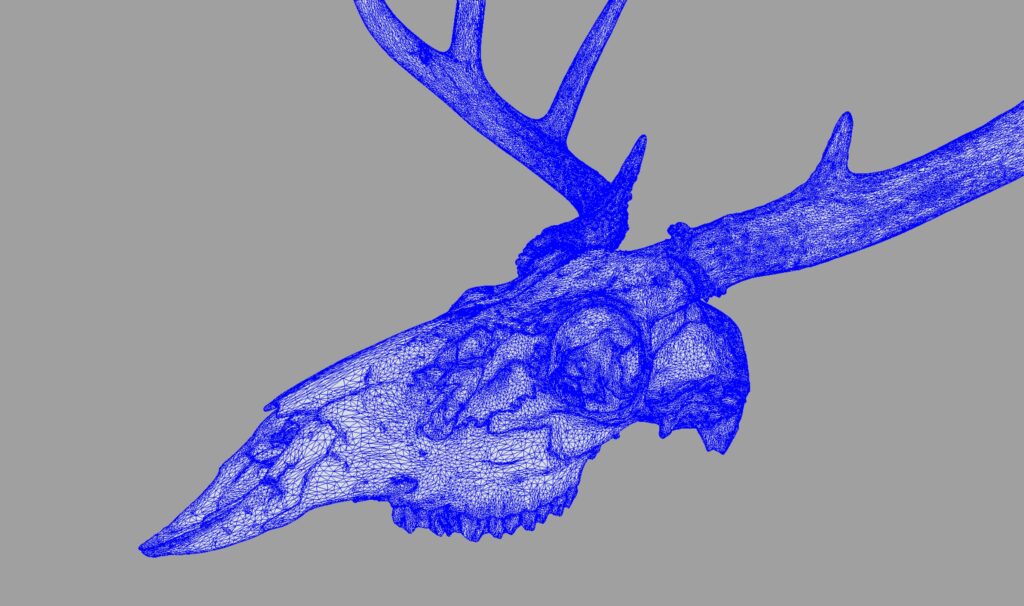
- Develop an open-access digital repository, linking 3D models with data from destructive analyses (e.g. aDNA, isotopes, radiocarbon dating), ensuring long-term accessibility and minimising unnecessary repeat sampling.
- Implement ethical data practices, co-creating policies with national and international partners to promote responsible curation and research.
- Employ a database manager to oversee and maintain the repository, with the goal of migrating it to the RICHeS Digital Research Service, securing its long-term sustainability.
Our Vision
The Biocultural HIVE is designed as a pioneering model for the future of heritage science, demonstrating how universities can lead in addressing the curation crisis, supporting ethical research, and harnessing cutting-edge digital technologies. By integrating physical and digital collections in an open-access, collaborative framework, the project will democratise heritage data, fostering interdisciplinary research and international engagement.
Ultimately, the Biocultural HIVE will not only ensure the long-term preservation of biocultural heritage but also set a new standard for sustainable, responsible, and data-driven research, amplifying its impact on contemporary global challenges.